
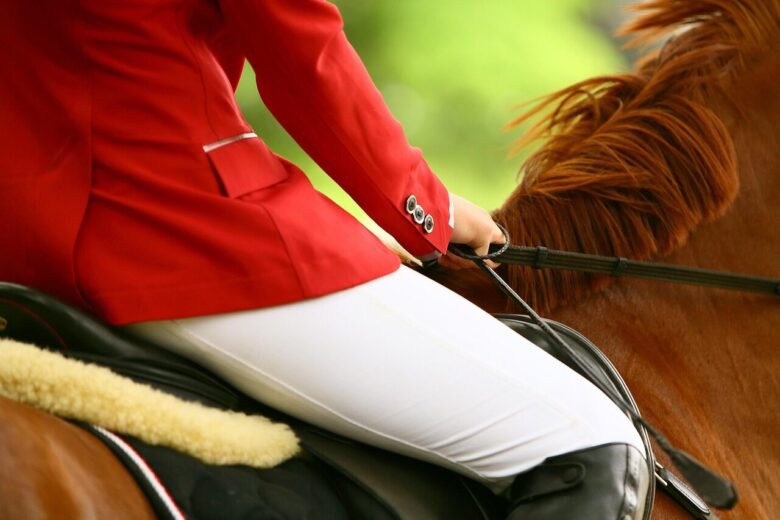
Prepare your horse for competition with a structured plan: optimize conditioning, refine schooling, verify health paperwork, and perfect grooming so your partner arrives calm, sound, and ring-ready.

Seasonal prevention keeps care on track: review vaccines (flu, COVID-19, tetanus), schedule annual physicals, dental cleanings, and age-appropriate screenings. Update plans each spring, summer, fall, and winter.
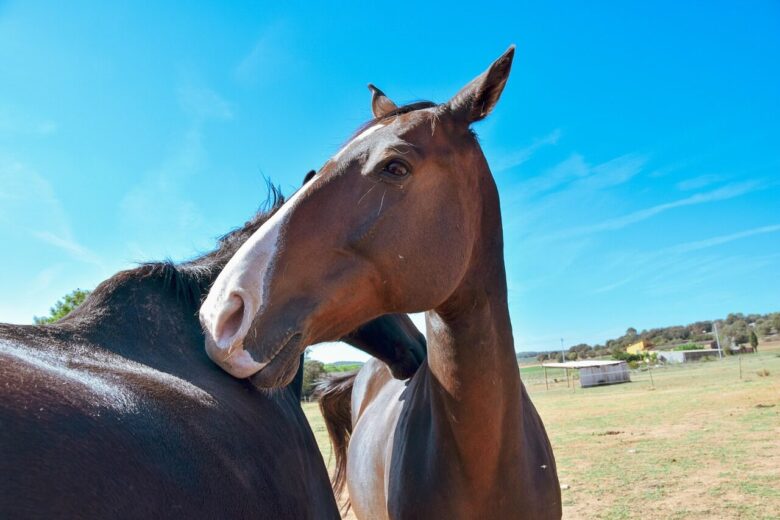
Natural horsemanship relies on posture, gaze, and timing: step into the horse’s space to invite movement, soften to reward, and keep signals consistent so trust replaces force.
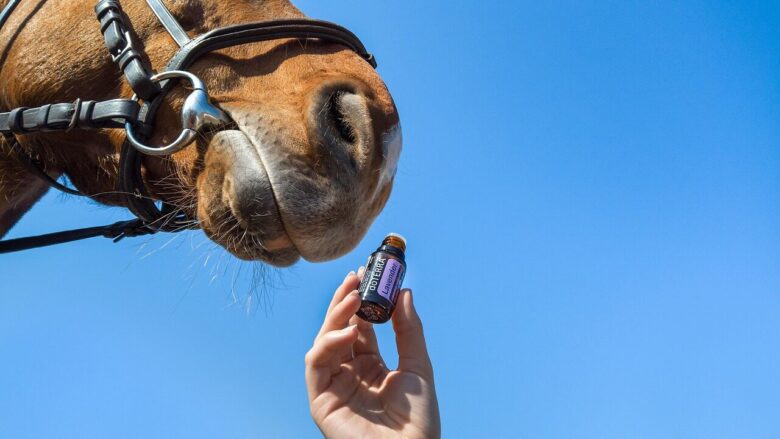
Joint support relies on quality nutrition: glucosamine, chondroitin, MSM, omega-3s, and vitamin E help maintain cartilage, reduce stiffness, and promote fluid, comfortable movement.
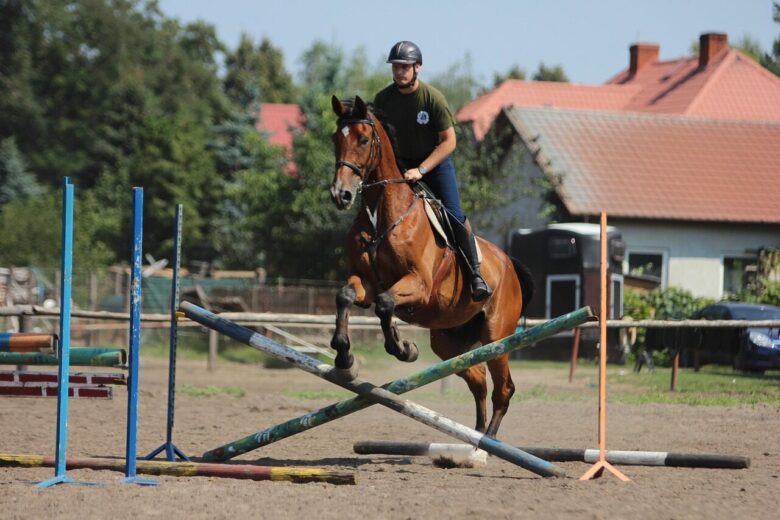
Advanced precision in show jumping comes from gymnastic grids, measured strides (placing poles), and target-focused turns-training the horse to lock line, balance, and leave the rail clean.

Choose riding boots with certified safety toes, full-grain leather, slip-resistant soles, and reinforced seams. Verify fit at the calf and ankle to prevent rubs and ensure stable stirrup control.

Equine digestive health depends on near-constant forage, steady routines, and low stress. Prevent ulcers with frequent hay, controlled grains, ample turnout, and watch for subtle appetite or attitude changes.
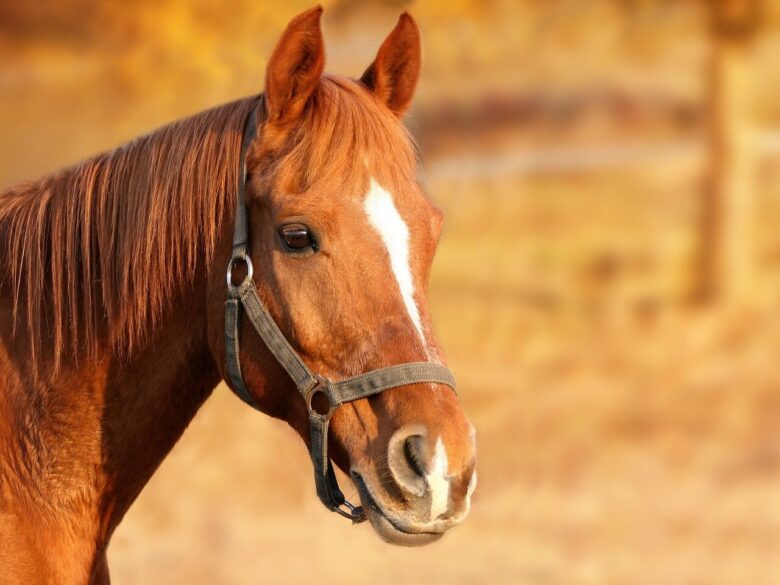
Equine wearables track heart rate, stride symmetry, and recovery in real time, turning training data into actionable insights to prevent overwork, optimize conditioning, and support long-term soundness.
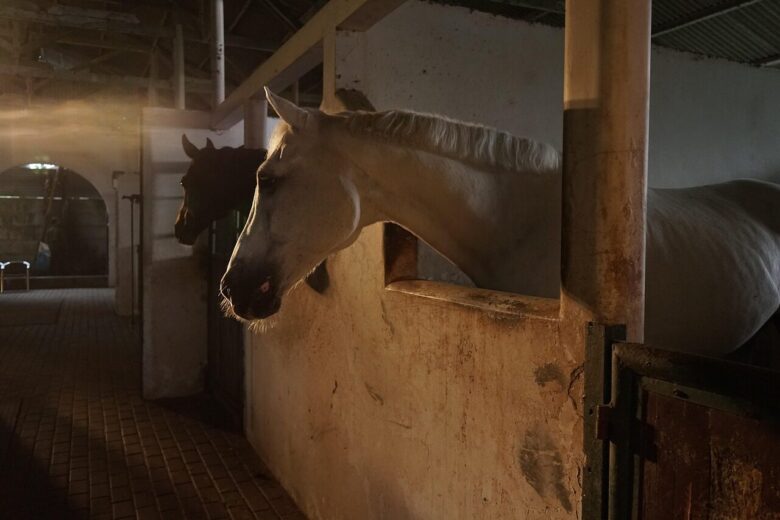
Design a low-maintenance, high-efficiency stable with durable, washable surfaces, smart drainage, and ample ventilation. Choose modular stalls, central storage, and easy-clean flooring to cut labor and improve horse health.

Quality equine insurance helps protect against unexpected veterinary costs, mortality loss, and liability claims-preserving your horse’s welfare and your financial stability when emergencies strike.